
Pneumatic Conveying Systems & Integrated Storage.
RAPCO designs, simulates, and delivers complete material handling systems — from the pneumatic conveying lines that move your product to the silos and storage that feed them. Every system starts with your material’s real behavior, validated through pilot testing and advanced simulation before a single pipe is specified.
The term “pneumatic” accurately describes this conveying technology, which utilizes air or inert gases such as nitrogen as the conveying medium to transport bulk materials efficiently through both horizontal and vertical pipeline routes.
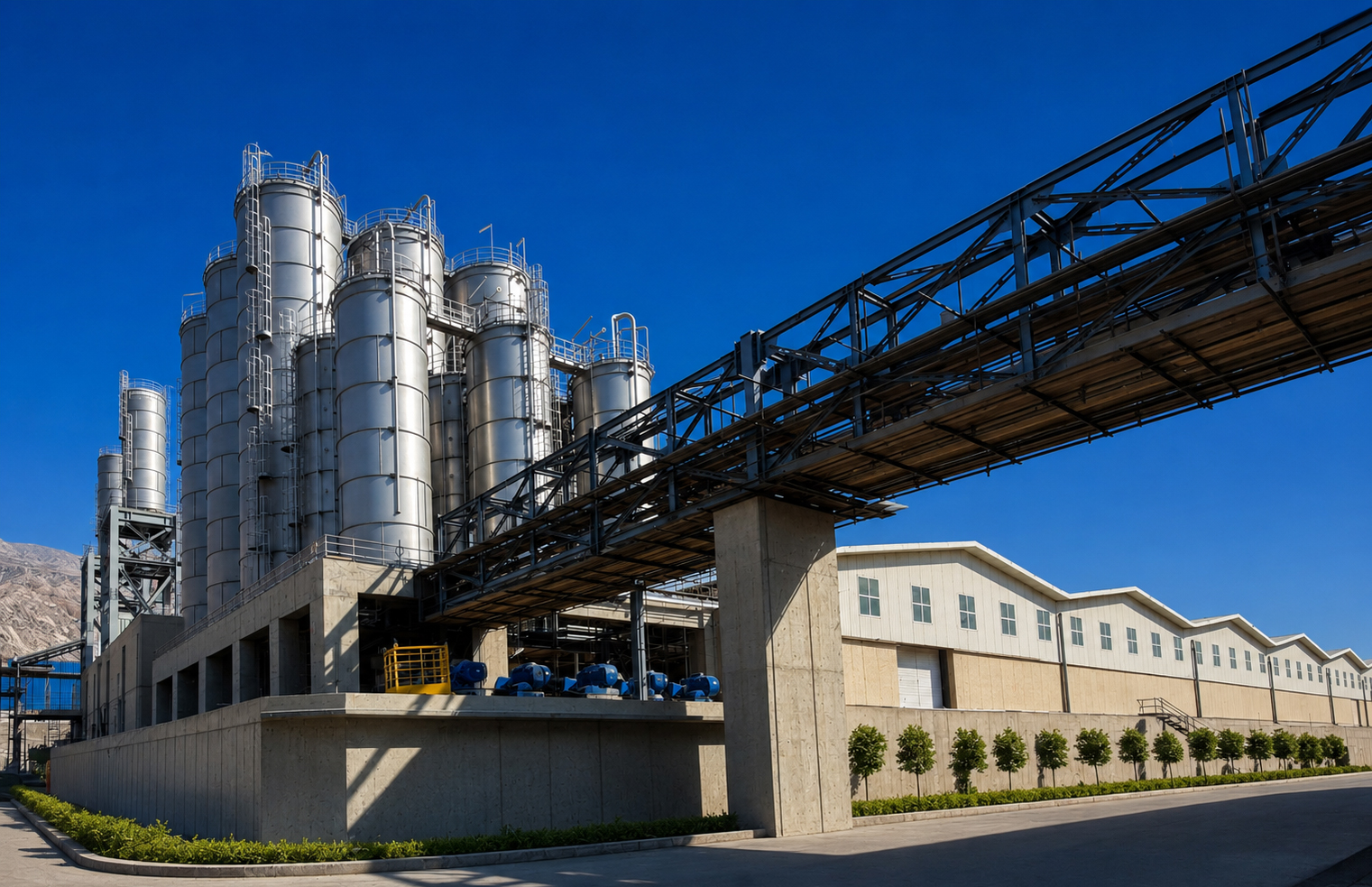
Pneumatic conveying offers a reliable method for handling bulk materials quickly, gently, and with minimal energy consumption. These systems operate by creating a differential pressure within the conveying line, allowing bulk materials to be transferred efficiently from one point to another. Since air naturally flows from regions of higher pressure to lower pressure, this principle is utilized to move materials through the conveying system.
Pneumatic conveying systems are generally classified into two categories: negative pressure systems, which use vacuum to pull materials through the pipeline, and positive pressure systems, which use blowers or compressors to push materials toward the desired destination.
Merits of Pneumatic Conveying Systems
- Gentle product handling with minimal material degradation
- Effective control of dust generation and fines formation
- Capability to operate in both open-loop and closed-loop configurations
- Excellent process control and operational flexibility
- Reduced maintenance requirements compared to many mechanical conveying systems
- Fewer moving mechanical components, resulting in improved reliability
- Enclosed conveying environment that minimizes contamination and product loss
What Are the Role Elements in Pneumatic Conveying System Design?
Successful pneumatic conveying system design depends on several critical factors, including:
Product Characteristics
- Bulk density
- Particle shape and size
- Permeability
- Abrasiveness
- Degradation resistance
- Moisture content
- Flowability
Operating Conditions
- Temperature
- Altitude
- Ambient conditions
- Process requirements
Production Capacity
- Required throughput
- Batch or continuous operation
- Future expansion considerations
Plot Plan Characteristics
- Horizontal conveying distances
- Vertical conveying distances
- Space limitations
- Equipment arrangement and accessibility
And much more.
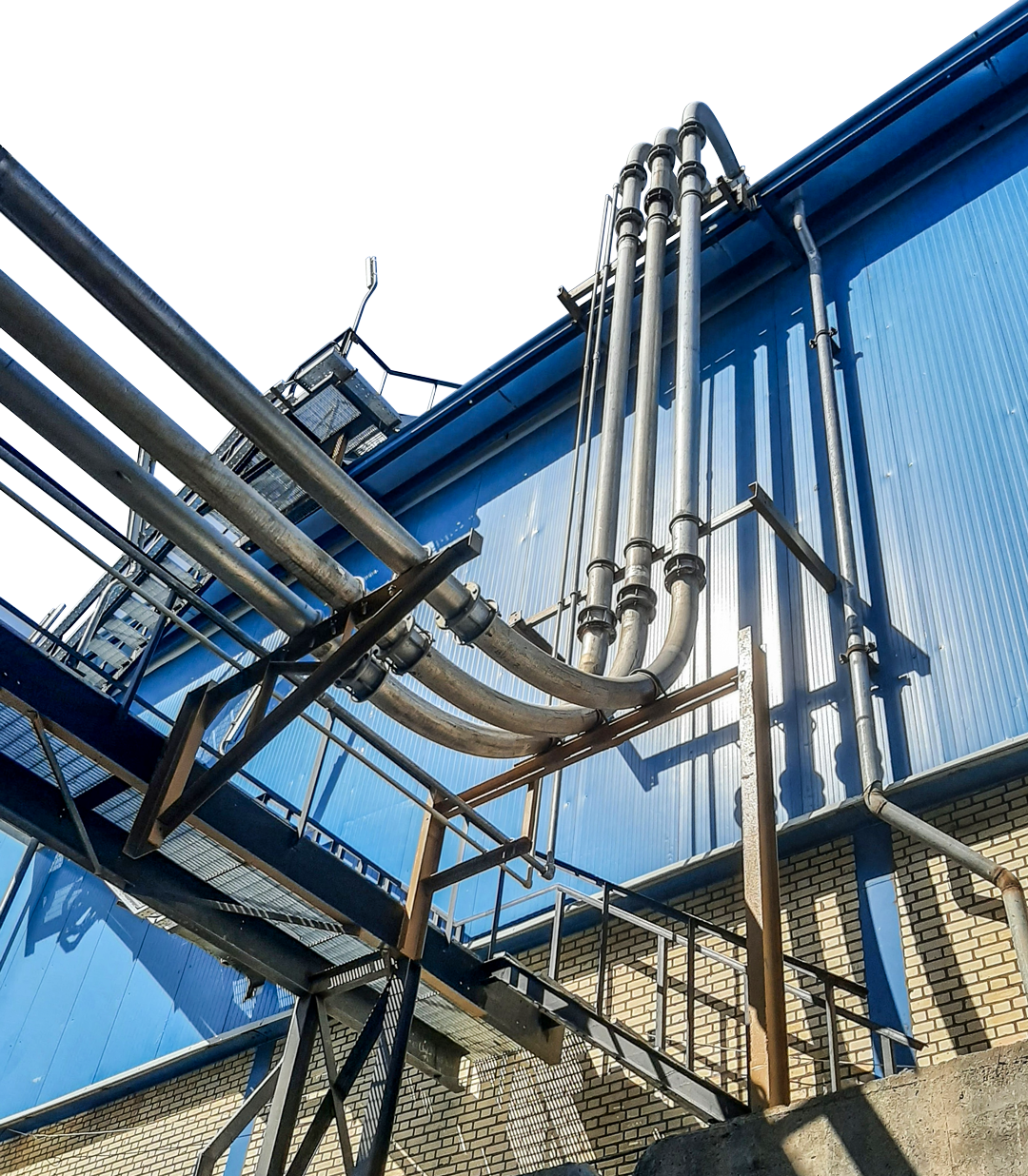
Different Pneumatic Conveying Phases
Every conveying job runs through one of three regimes. Switch between them below to see how velocity, particle spacing, and line pressure change — the same trade-offs RAPCO’s engineers simulate before specifying your system.
Dilute phase conveying moves material at high velocity and low concentration — a wide, reliable operating window suited to a broad range of bulk materials.
Why RAPCO Is Suited for Your Pneumatic Conveying Systems Needs
Each of the conveying phases described above is carefully evaluated during the engineering stage and specifically designed, simulated, and implemented according to the unique requirements of your plant.
By utilizing our pilot testing facilities and advanced simulation capabilities, RAPCO can accurately evaluate product behavior under realistic operating conditions using actual material samples. This approach allows us to identify the optimum conveying solution and operating parameters for each application.
Whether you require a complete pneumatic conveying package, process optimization, engineering consultancy, or technical support services, RAPCO provides reliable and customized solutions based on proven expertise, advanced technology, and extensive industrial experience.
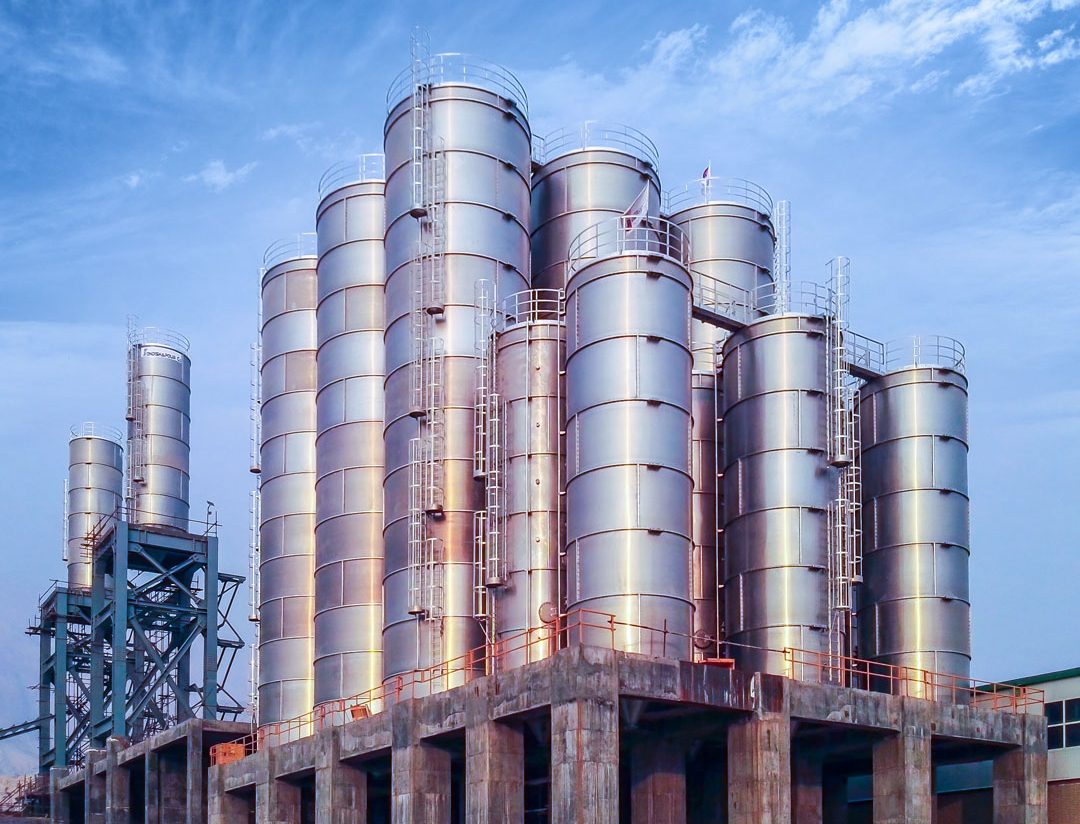
Bulk storage directly impacts product quality and flow consistency. Poor silo design creates bridging, segregation, and material degradation — undermining your entire conveying system.
RAPCO engineers integrated storage solutions that function as the reliable origin point of your material handling chain, ensuring predictable feed and preserved product integrity.
Our Storage Capabilities
For standard industrial storage, we provide certified standard diameter silos for reliable operation and rapid delivery. For challenging materials that are cohesive, abrasive, or hygroscopic, we engineer custom silos with tailored cones, liners, and aeration systems to guarantee reliable discharge and eliminate bridging.
For flexible and modular requirements, we offer bolted or fabric-based storage systems that are scalable and fast to install. For specialty materials requiring environmental protection, we deliver conditioned silos equipped with inert gas systems, heating jackets, or cooling jackets.
We manufacture silos using carbon steel for general industrial applications, stainless steel for sanitary and corrosive environments, and aluminum for lightweight requirements. Configurations are available in both welded and bolted construction.
Integrated Design from Silo to System
Your silo is the first component of your pneumatic conveying system. RAPCO ensures consistent material discharge that feeds your specific conveying phase — whether dilute, dense, or strand conveying.
We integrate aeration systems to improve material flowability, connect level measurement and control systems to plant automation platforms, and incorporate dust collection and containment solutions to ensure environmental compliance and product protection.
Major Fields of Activity
- Silos and storage systems in both standard and customized diametersManufactured using various construction methods and material options
- Mechanical conveying systemsChain conveyors, screw conveyors, screw feeders, and bucket elevators
- Pneumatic conveying systems
- Cleaning, de-dusting, and filtration systems
- Mixing and drying systems utilizing both hot and cold mixing technologiesIncluding soft and rigid PVC mixing plants capable of handling multiple additives
- Centralized control, monitoring, and visualization systems
- Proprietary plant supervision solutions utilizing RAPCO’s patented TPS technology, providing complete process visibility and control from raw material storage through final extruder feeding operations
From the first pipe route to the last silo weld, RAPCO engineers storage and conveying as one system — not two separate purchases.
Pneumatic Conveying Systems (PCS)
The term “pneumatic” accurately describes this conveying technology, which utilizes air or inert gases such as nitrogen as the conveying medium to transport bulk materials efficiently through both horizontal and vertical pipeline routes.
Pneumatic conveying offers a reliable method for handling bulk materials quickly, gently, and with minimal energy consumption. These systems operate by creating a differential pressure within the conveying line, allowing bulk materials to be transferred efficiently from one point to another. Since air naturally flows from regions of higher pressure to lower pressure, this principle is utilized to move materials through the conveying system.
Pneumatic conveying systems are generally classified into two categories: negative pressure systems, which use vacuum to pull materials through the pipeline, and positive pressure systems, which use blowers or compressors to push materials toward the desired destination.
Merits of Pneumatic Conveying Systems
- Gentle product handling with minimal material degradation
- Effective control of dust generation and fines formation
- Capability to operate in both open-loop and closed-loop configurations
- Excellent process control and operational flexibility
- Reduced maintenance requirements compared to many mechanical conveying systems
- Fewer moving mechanical components, resulting in improved reliability
- Enclosed conveying environment that minimizes contamination and product loss
What are the role elements on Pneumatic Conveying Systems?
Successful pneumatic conveying system design depends on several critical factors, including:
Product Characteristics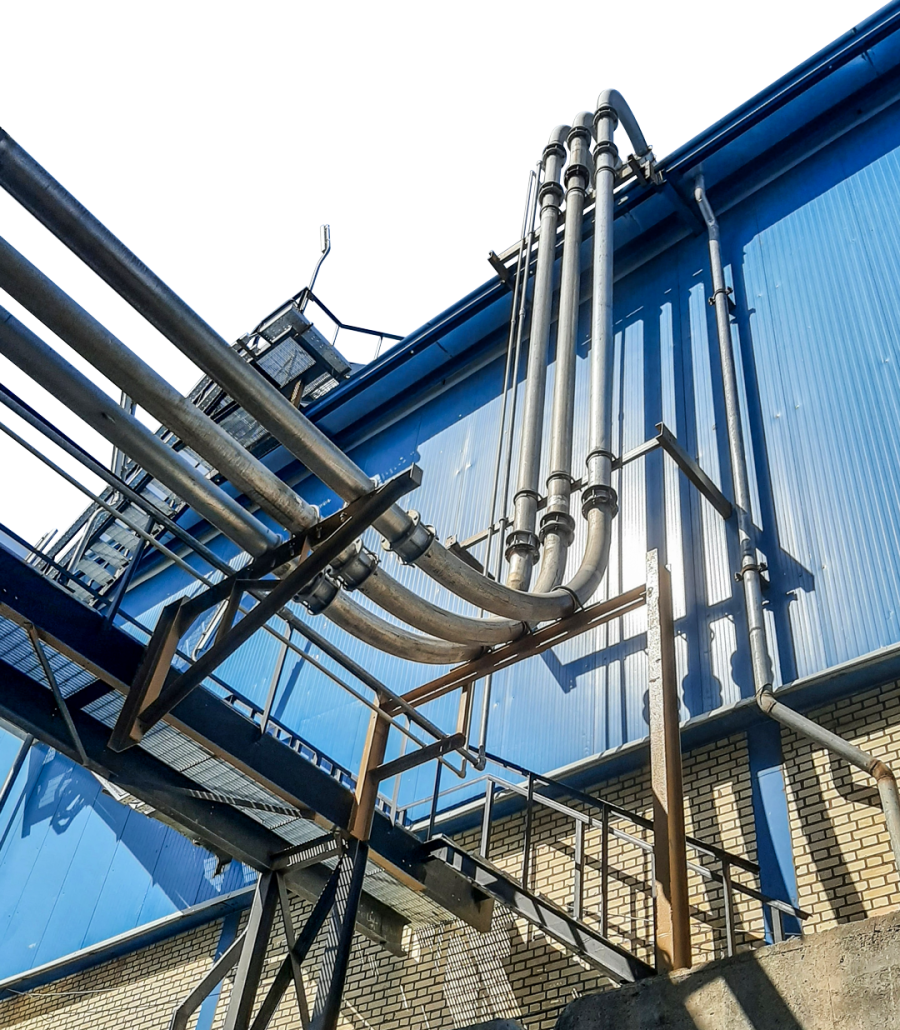
- Bulk densit
- Particle shape and size
- Permeability
- Abrasiveness
- Degradation resistance
- Moisture content
- Flowability
Operating Conditions
- Temperature
- Altitude
- Ambient conditions
- Process requirements
Production Capacity
- Required throughput
- Batch or continuous operation
- Future expansion considerations
Plot Plan Characteristics
- Horizontal conveying distances
- Vertical conveying distances
- Space limitations
- Equipment arrangement and accessibility
And much more.
Different Pneumatic Conveying Phases
Dilute Phase Conveying
Dilute phase conveying operates at relatively low pressures and high conveying velocities. It offers a wide and reliable operating range and is suitable for a broad spectrum of bulk materials and industrial applications.
Dense Phase Conveying
Dense phase conveying focuses on gentle material handling by utilizing higher operating pressures and lower conveying velocities. This method minimizes product degradation and pipeline wear but requires more precise control within its operating range.
Strand Phase Conveying
Strand phase conveying operates in a stable conveying regime between dilute phase and dense phase conveying. It provides lower conveying velocities than dilute phase systems while maintaining efficient and reliable material transport.
Why RAPCO is suited for your pneumatic conveying systems needs?

Each of the conveying phases described above is carefully evaluated during the engineering stage and specifically designed, simulated, and implemented according to the unique requirements of your plant.
By utilizing our pilot testing facilities and advanced simulation capabilities, RAPCO can accurately evaluate product behavior under realistic operating conditions using actual material samples. This approach allows us to identify the optimum conveying solution and operating parameters for each application.
Whether you require a complete pneumatic conveying package, process optimization, engineering consultancy, or technical support services, RAPCO provides reliable and customized solutions based on proven expertise, advanced technology, and extensive industrial experience.
Silos & Storage Systems: Engineered Integration from Storage to Conveying
Bulk storage directly impacts product quality and flow consistency. Poor silo design creates bridging, segregation, and material degradation—undermining your entire conveying system.
RAPCO engineers integrated storage solutions that function as the reliable origin point of your material handling chain, ensuring predictable feed and preserved product integrity.
Our Storage Capabilities
For standard industrial storage, we provide certified standard diameter silos for reliable operation and rapid delivery. For challenging materials that are cohesive, abrasive, or hygroscopic, we engineer custom silos with tailored cones, liners, and aeration systems to guarantee reliable discharge and eliminate bridging.
For flexible and modular requirements, we offer bolted or fabric-based storage systems that are scalable and fast to install. For specialty materials requiring environmental protection, we deliver conditioned silos equipped with inert gas systems, heating jackets, or cooling jackets.
We manufacture silos using carbon steel for general industrial applications, stainless steel for sanitary and corrosive environments, and aluminum for lightweight requirements. Configurations are available in both welded and bolted construction.
Integrated Design from Silo to System
Your silo is the first component of your pneumatic conveying system. RAPCO ensures consistent material discharge that feeds your specific conveying phase—whether dilute, dense, or strand conveying.
We integrate aeration systems to improve material flowability, connect level measurement and control systems to plant automation platforms, and incorporate dust collection and containment solutions to ensure environmental compliance and product protection.
Major Fields of Activity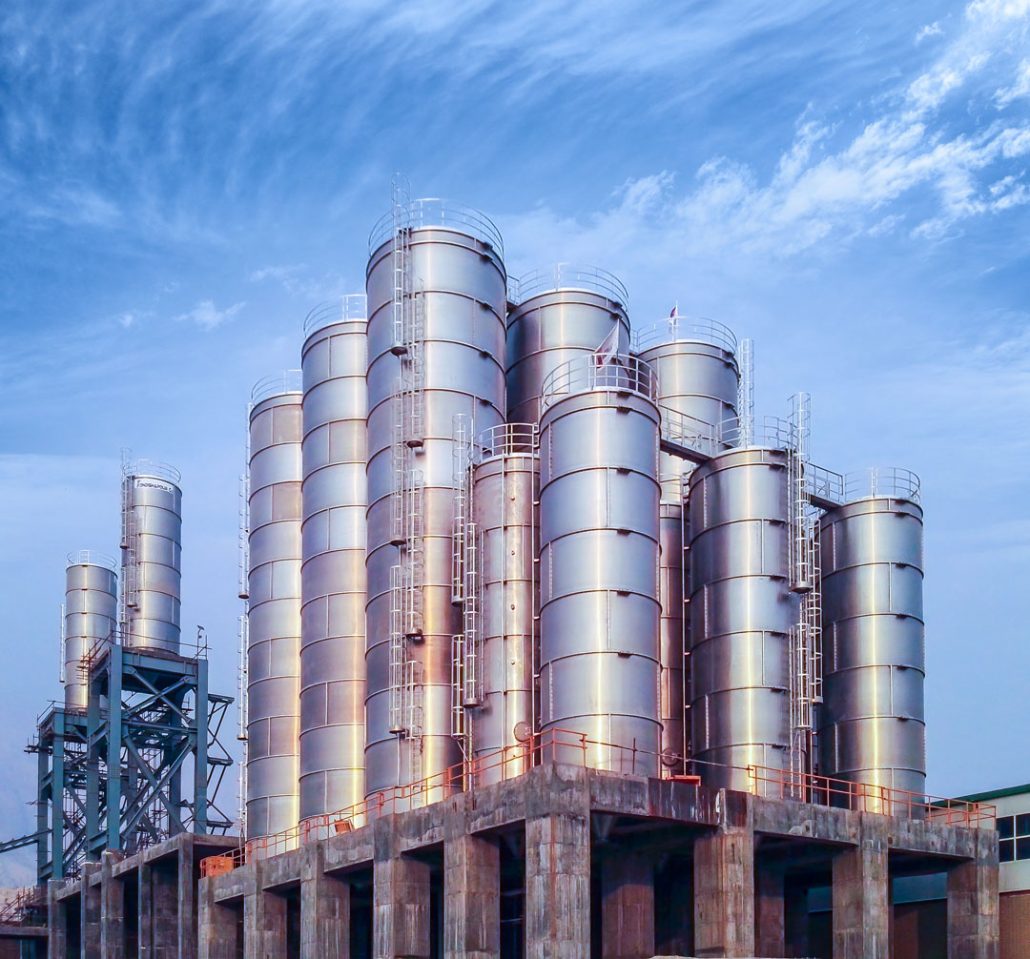
- Silos and storage systems in both standard and customized diameters
(manufactured using various construction methods and material options) - Mechanical conveying systems
(chain conveyors, screw conveyors, screw feeders, and bucket elevators) - Pneumatic conveying systems
- Cleaning, de-dusting, and filtration systems
- Mixing and drying systems utilizing both hot and cold mixing technologies
(including soft and rigid PVC mixing plants capable of handling multiple additives) - Centralized control, monitoring, and visualization systems
- Proprietary plant supervision solutions utilizing RAPCO’s patented TPS technology, providing complete process visibility and control from raw material storage through final extruder feeding operations